The Future of Provenance: Why Data Acquisition Must Be Code
Data acquisition and preparation are not auxiliary tasks. They are methodological acts. And in the age of AI, they must be executable and auditable.
Short articles, commentaries and blog posts on education, learning poverty, human capital, and development economics. Includes institutional blogs (World Bank, UNICEF, Brookings) and personal reflections (LinkedIn). For peer-reviewed journal articles, see Publications.
Data acquisition and preparation are not auxiliary tasks. They are methodological acts. And in the age of AI, they must be executable and auditable.
Reflections from the ADEA Triennale 2025 in Accra on building fit-for-purpose, comparable learning assessments across Africa.
Initial reflections on AI and Education from the Comparative and International Education Society (CIES) 2025 conference in Chicago.
Launch of the Africa Expert Group on Child and Adolescent Statistics at the UN 56th Statistical Commission side event.
Highlights from UNICEF Data and Analytics Team publications in 2024, covering child mortality, FGM, immunization, and more.
How Colombia transformed its poverty measurement through the MESEP process, rebuilding public trust in statistics.
Analysis of Brazil's progress in education and poverty reduction across generations using age-period-cohort data.
UNICEF report argues that accelerating progress on the SDGs requires centring child rights and child well-being, drawing on 20+ years of data across 48 indicators and 190+ countries.
In the absence of remedial measures, learning losses are likely to significantly reduce intergenerational mobility in a wide range of countries.
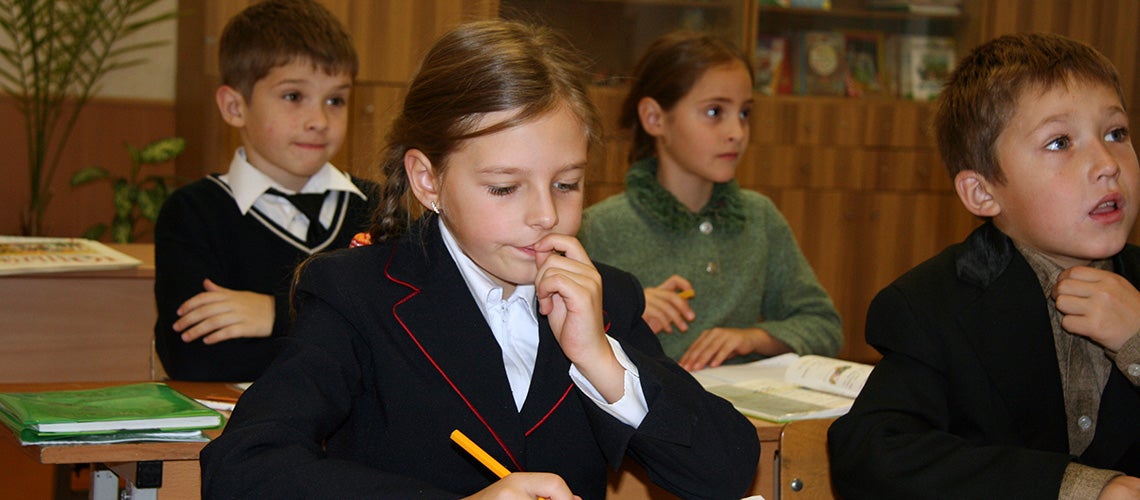
There is now overwhelming evidence that children’s learning plummeted during the COVID-19 pandemic, particularly in Latin America. Surprisingly, we found that there has been little public outcry in the region for school systems to act on learning ...
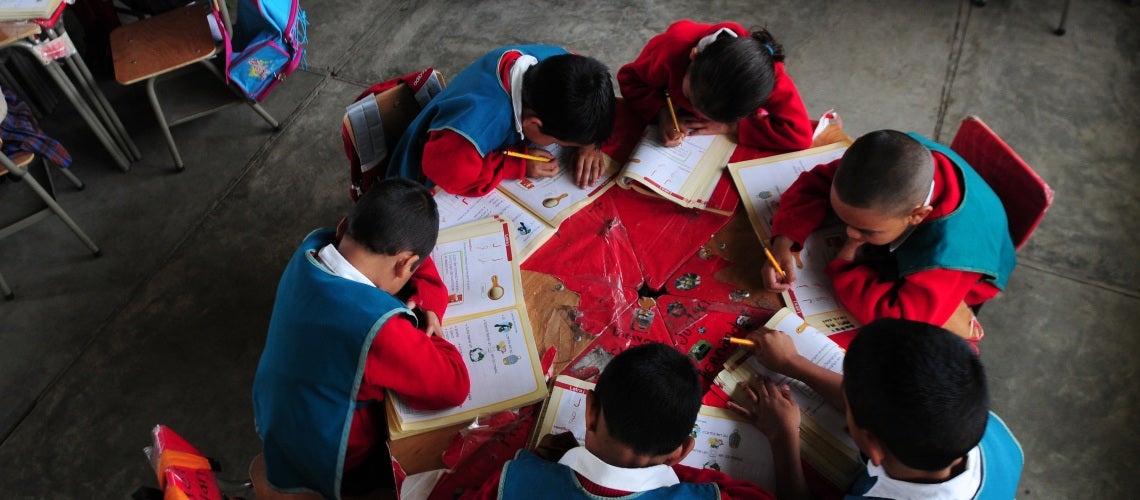
The State of the Global Education Crisis: A Path to Recovery report (produced jointly by UNESCO, UNICEF, and the World Bank), we sounded the alarm: this generation of students now risks losing $17 trillion in lifetime earnings in present value, or...
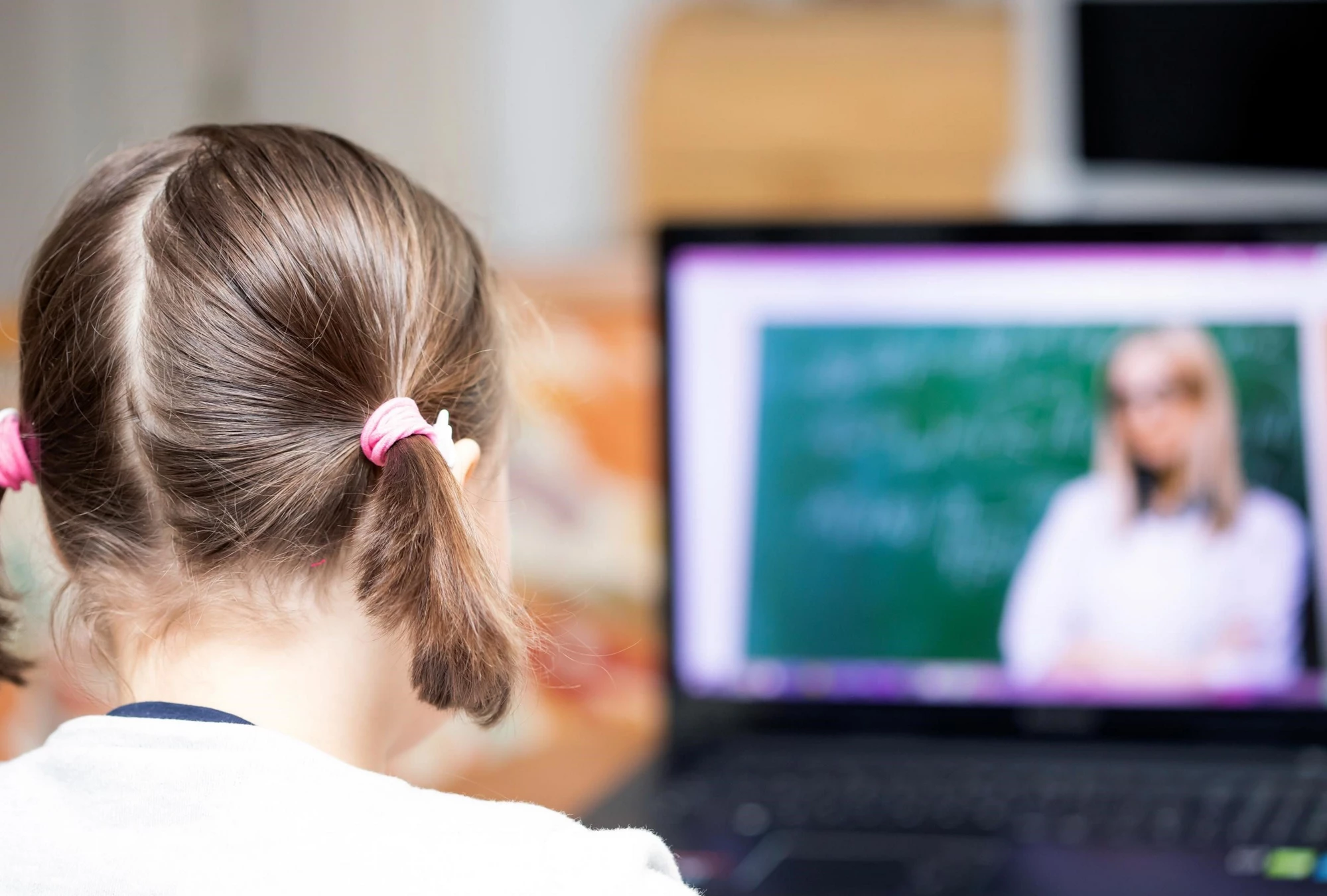
Five lessons from remote learning during COVID-19
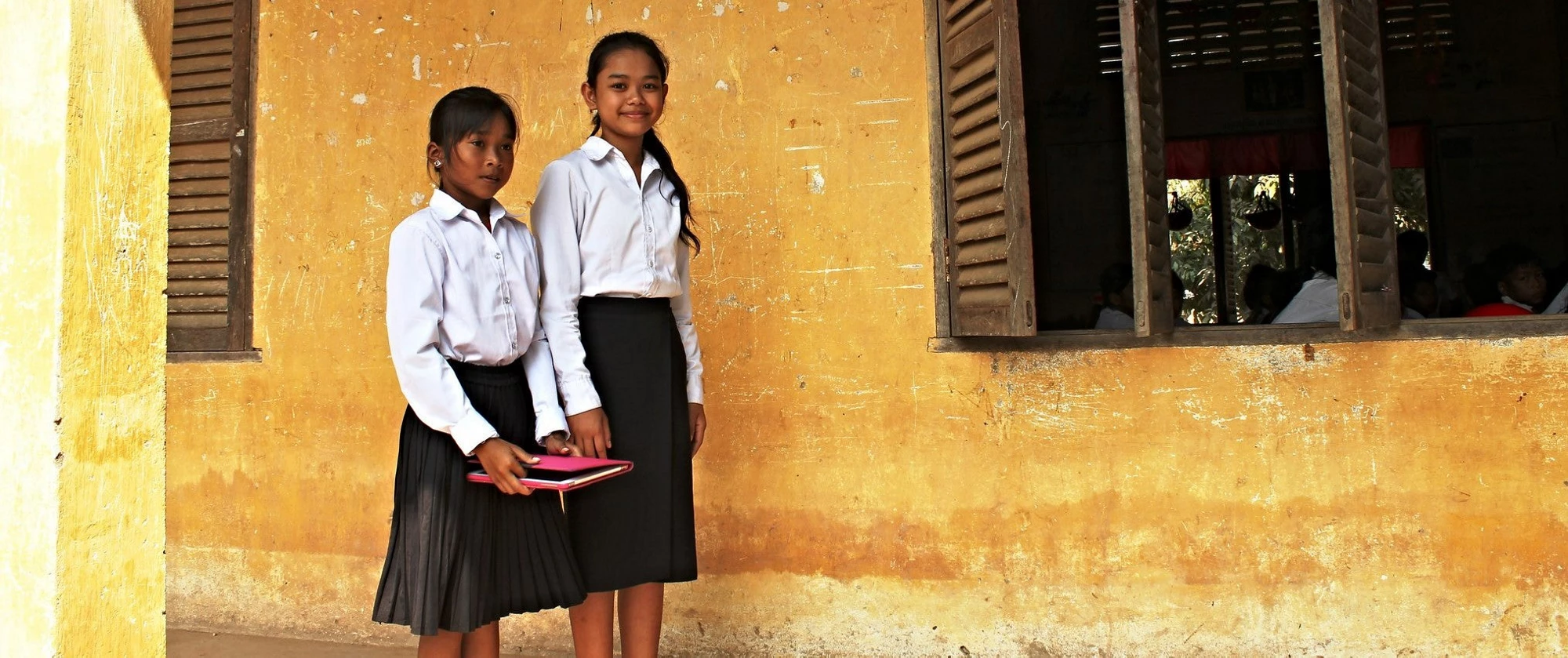
Will every child be able to read by 2030?
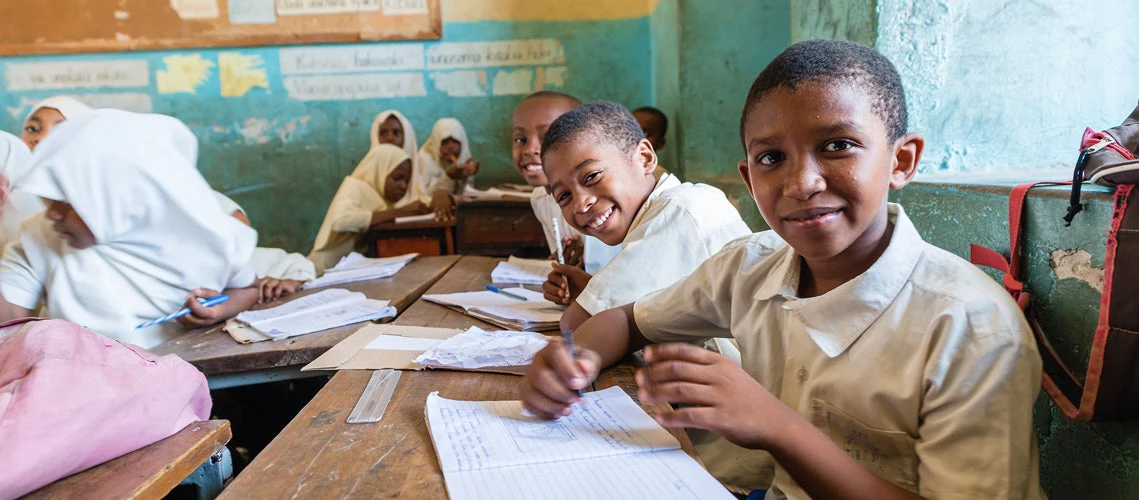
As school systems reopen after extended closures due to COVID-19, it will be critical to meet students where they are and to monitor changes in the learning distribution among the poor, given that evidence suggests that a significant source of ine...
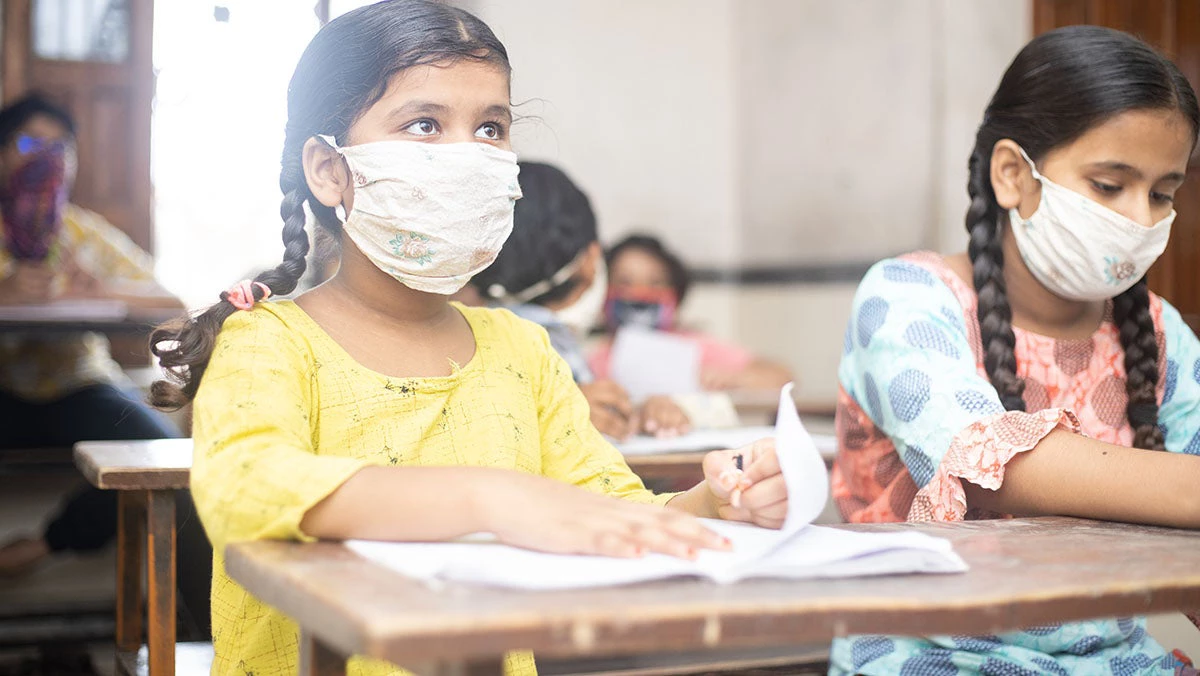
Most governments and development partners are working on identifying, protecting, and supporting learning of the most vulnerable members of the COVID-19 generation.
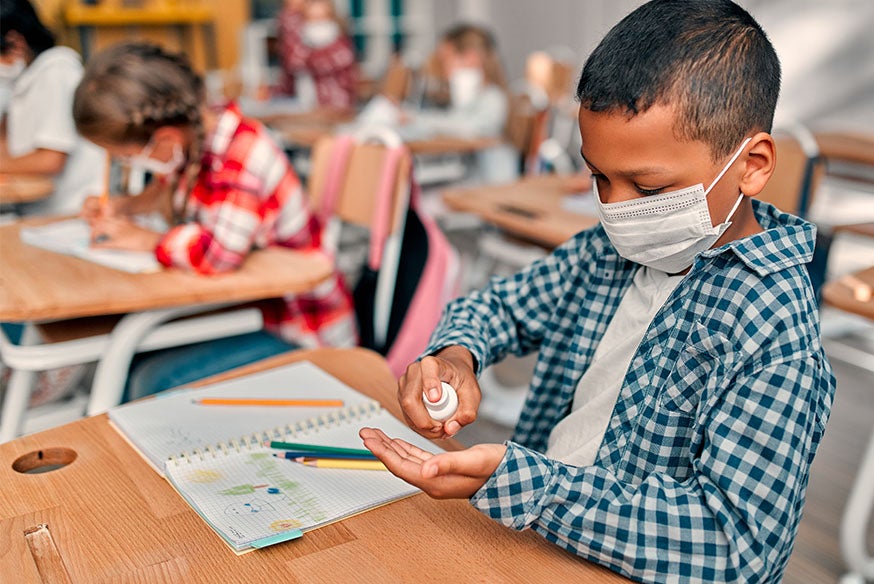
A mensuração da aprendizagem é parte fundamental de uma política educacional baseada em evidências. Neste contexto, as escolhas de medidas importam. E muito.
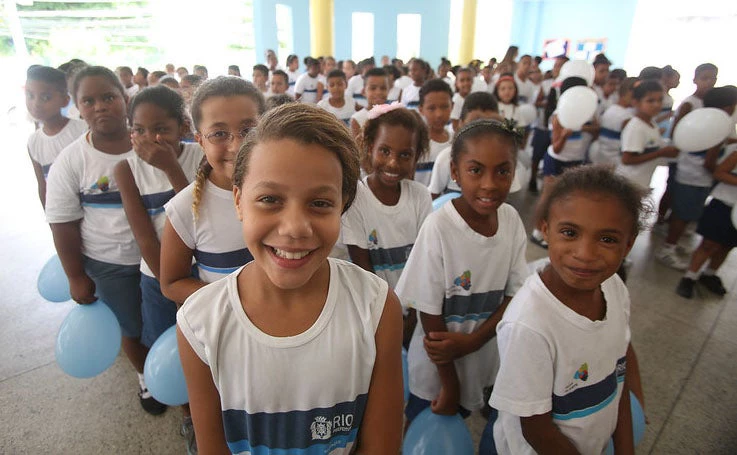
Measuring learning is a key part of evidence-based education policy, and the choices of measures matter.
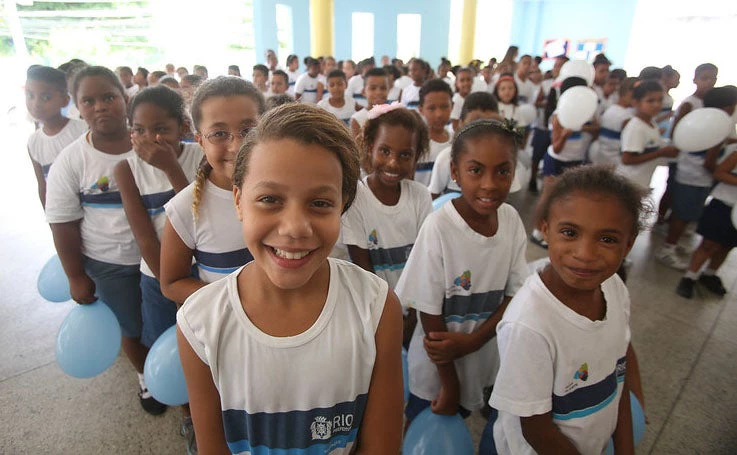
Even before COVID-19 forced a massive closure of schools around the globe, the world was in the middle of a learning crisis that threatened efforts to build human capital—the skills and know-how needed for the jobs of the future.
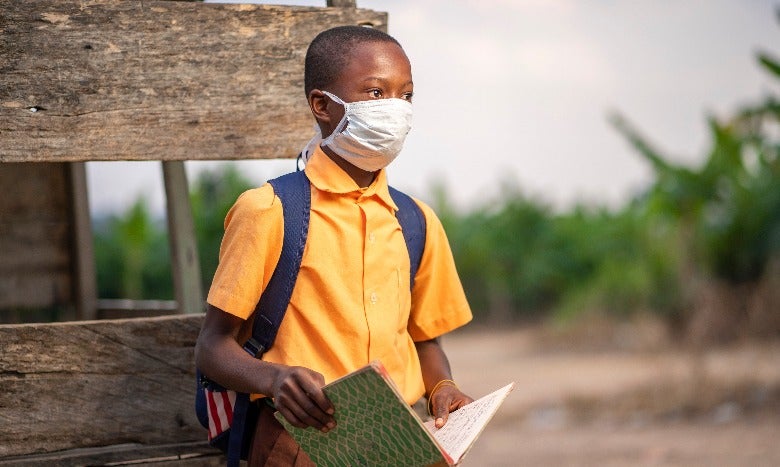
Efforts to equalize learning across groups are essential but not sufficient. We must also scale programs and interventions that tackle inequality of similar students within schools and demographic groups. We have the tools for this, and we owe it ...
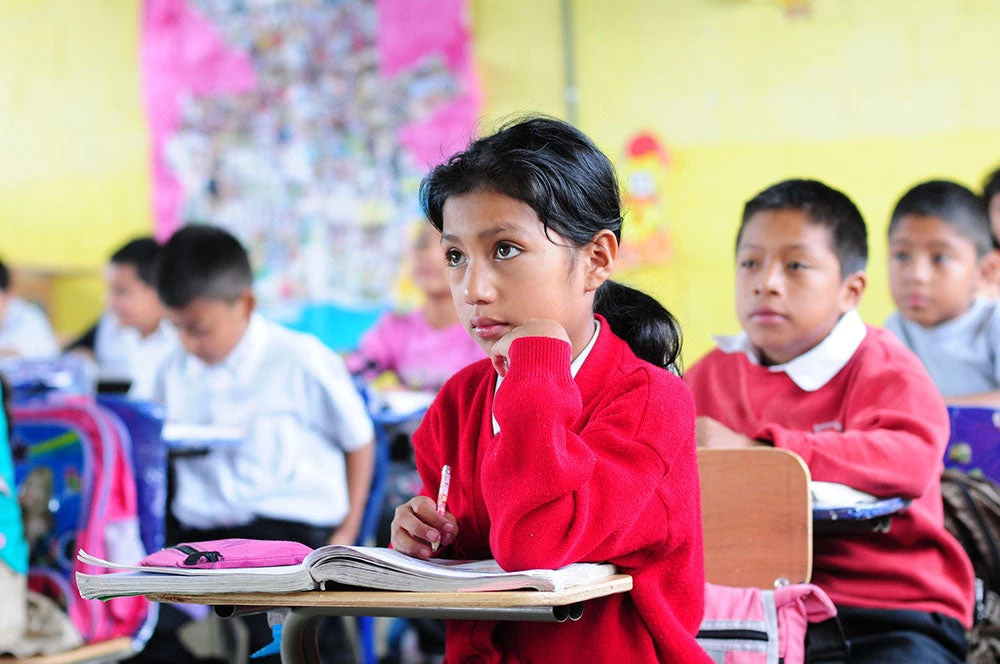
努力实现各组别学生学习均等化很有必要,但还不够。我们也必须推广相关方案和干预措施,以应对来自同一所学校和同一个人群的类似学生之间存在的差异。在这方面,我们拥有很多工具,但需要面向我们的孩子使用这些工具。
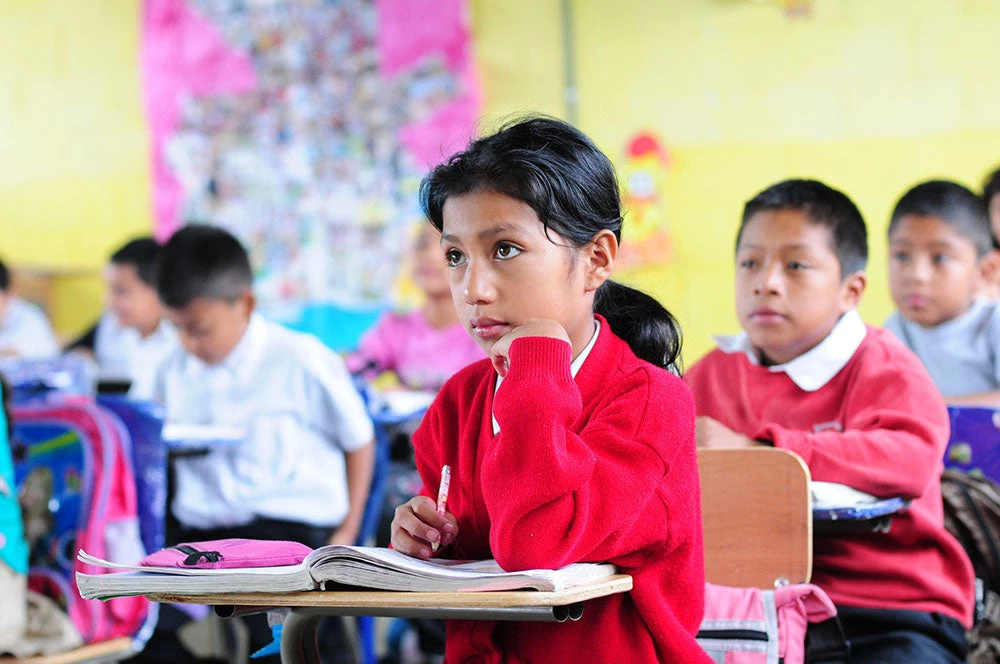
Simulation scenarios showing potential impacts of COVID-19 school closures on learning poverty in low- and middle-income countries.
Antes da COVID-19, o mundo já estava em uma crise de aprendizado.
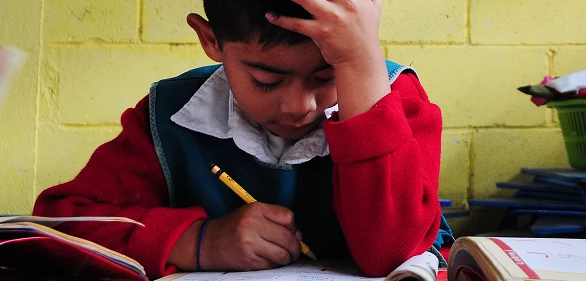
Learning losses due to the pandemic will likely be large. We are only starting to grasp how learning inequalities may play out. Looking at historical data, can we find patterns that can help us better plan our actions in the near future?
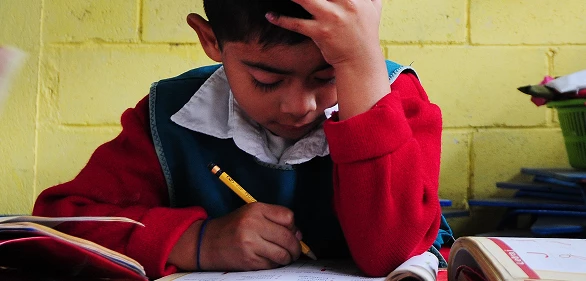
COVID-related school closures are forcing countries even further off-track to achieving their learning goals. The students currently in school stand to lose $10 trillion in labor earnings over their work life.
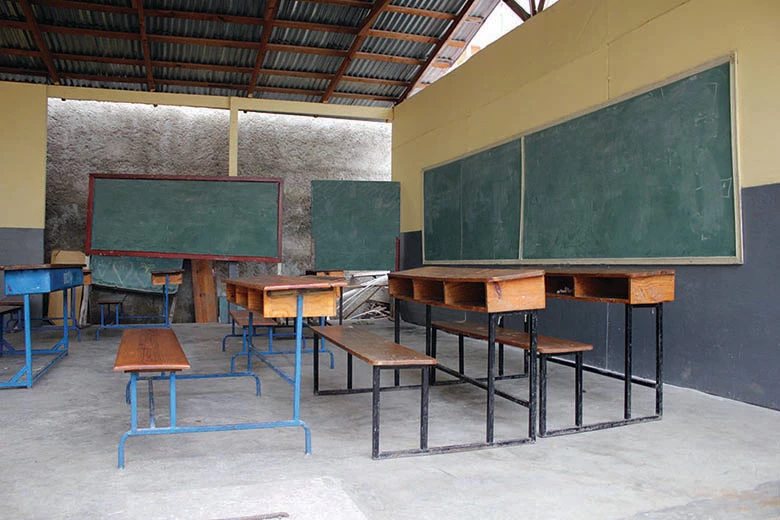
Early global estimates of the economic costs of COVID-19 school closures and the potential scale of learning losses.
The wbopendata Stata module has been updated to Version 16.2.1. The module can now be installed or updated directly from Stata's Statistical Software Components (SSC) repository.

Social distancing is a necessary strategy to reduce the spread of the novel coronavirus (COVID-19). With 1.5 billion children out of school in 175 countries (as of April 10), there are more and more concerns about the longer-term effects that scho...
Необходимой стратегией сокращения распространения нового коронавируса (COVID-19) было социальное дистанцирование, что заставило большинство стран закрыть свои школы.
Argument for protecting opportunity for the young in Brazil by reforming pensions and improving learning outcomes in public schools.
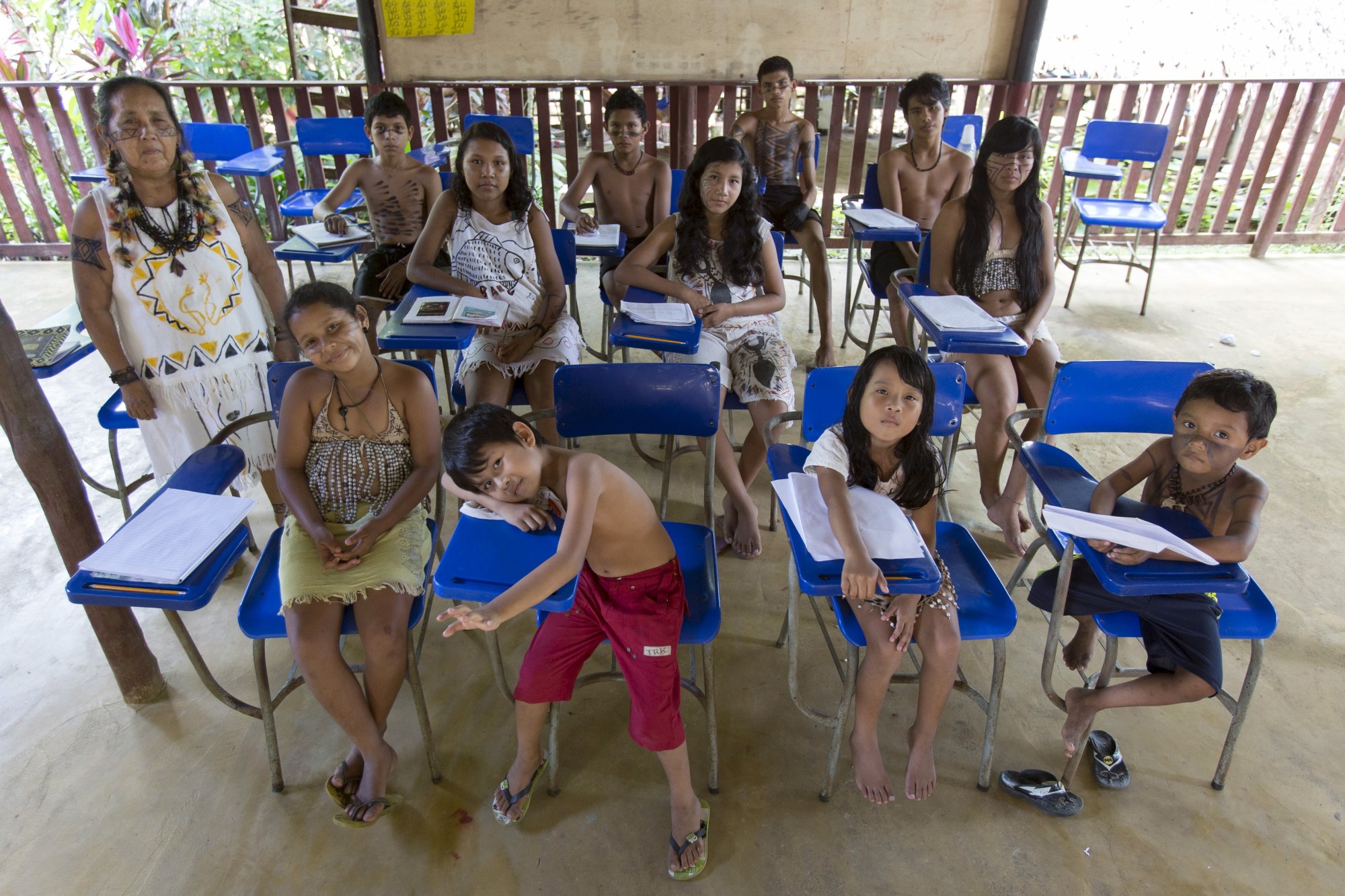
Analysis of whether the post-2008 shift toward less inclusive growth in the EU helps explain rising support for populist parties.

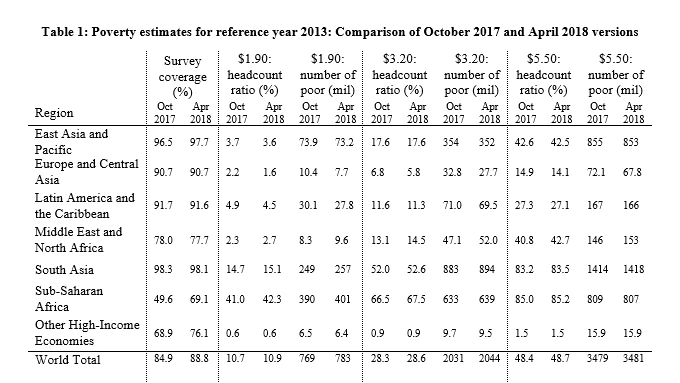
In April, PovcalNet revised the World Bank’s global and regional poverty estimates from 1981 to 2013. The next major update of global and regional poverty estimates is scheduled for October 2018, when the global poverty estimates for the reference...
Online pundits, hurried journalists and policymakers love precision. They crave numbers. Preferably exact numbers; ranges suggest uncertainty and make them anxious. As a result, they will love the World Poverty Clock (WPC), a new website that cla...

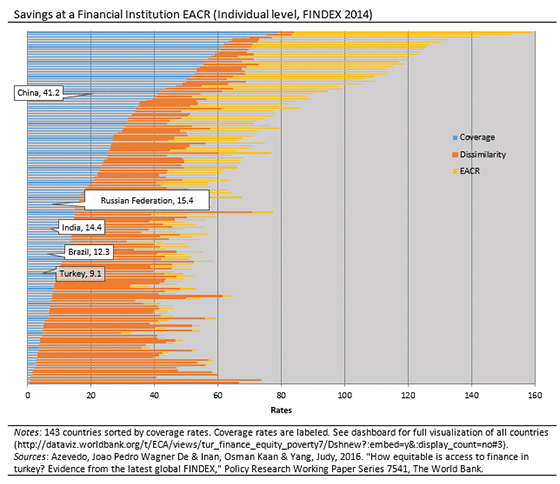
Access to finance is an important tool against poverty since it allows for the smoothing of consumption. The equality of access amongst different groups in the society is also crucial in terms of correctly allocating the positive benefits of impro...
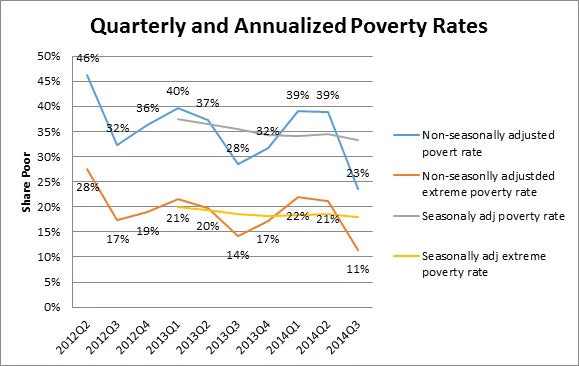
Poverty is often measured using repeated cross-sectional surveys that provide a snapshot of the poverty status of a given household at a particular point in time. Such designs call for interviewing different respondents in each round, and because ...
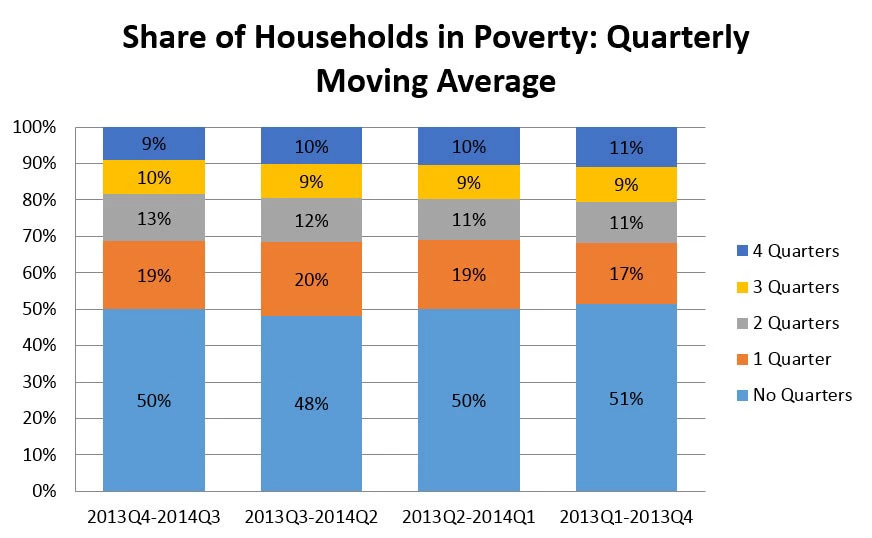
Many countries measure poverty using annualized survey data generated on the basis of a one-time “snapshot” of household consumption. Such designs gather information for a single period of reference of 30, 15 or 7 days, collected using either a co...
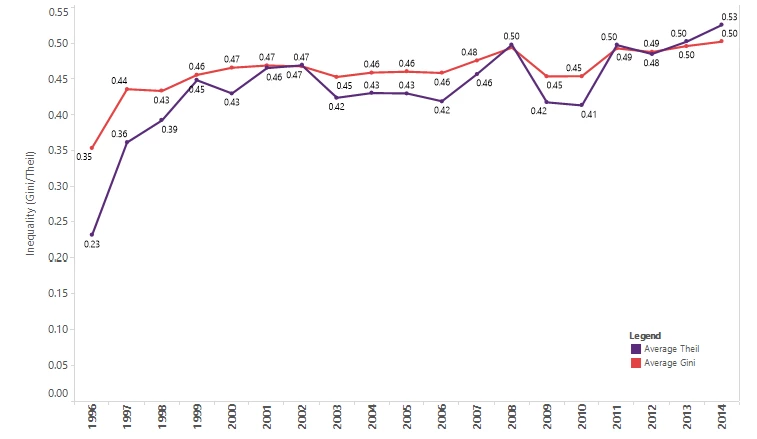
Thinking about inequality is back in fashion! In its November 2013 outlook, the World Economic Forum called rising inequality the second biggest risk for 2014-15. The 2014 English translation of French economist Thomas Piketty’s “Capital in the 21...
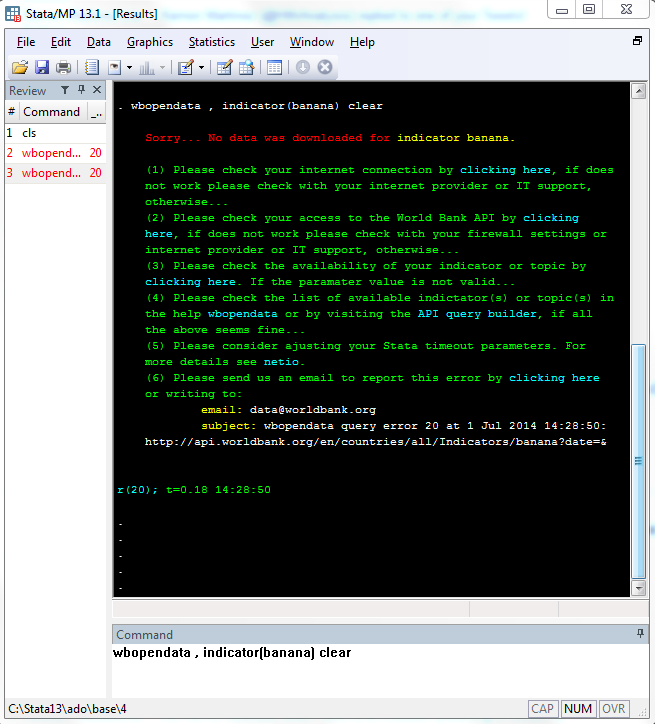
The wbopendata Stata module has been updated to Version 13. The module can now be installed or updated directly from Stata's Statistical Software Components (SSC) repository. To install or update your current wbopendata Stata module, please type t...
A new Stata module wbopendata has been released. The module can be installed or updated directly from within Stata using Statistical Software Components (SSC) repository.The new features of this release include:Updated list of indicator, with over...
Also available in English, Spanish As mulheres estão se tornando progressivamente as parceiras mais importantes no desenvolvimento da América Latina. Mães, estudantes, profissionais atuantes, mulheres de todas as origens são hoje a força motora ...

Also available in Portuguese, Spanish Women are increasingly becoming Latin America's critical development partners. Moms, students, working professionals, women from all walks of life, are a driving force behind a gender revolution that has made ...
Last updated: 2026-02-17